BRPortuguêsContact
Design

07Design for research

Paleographic Networks

Photography, scientific illustration and information design

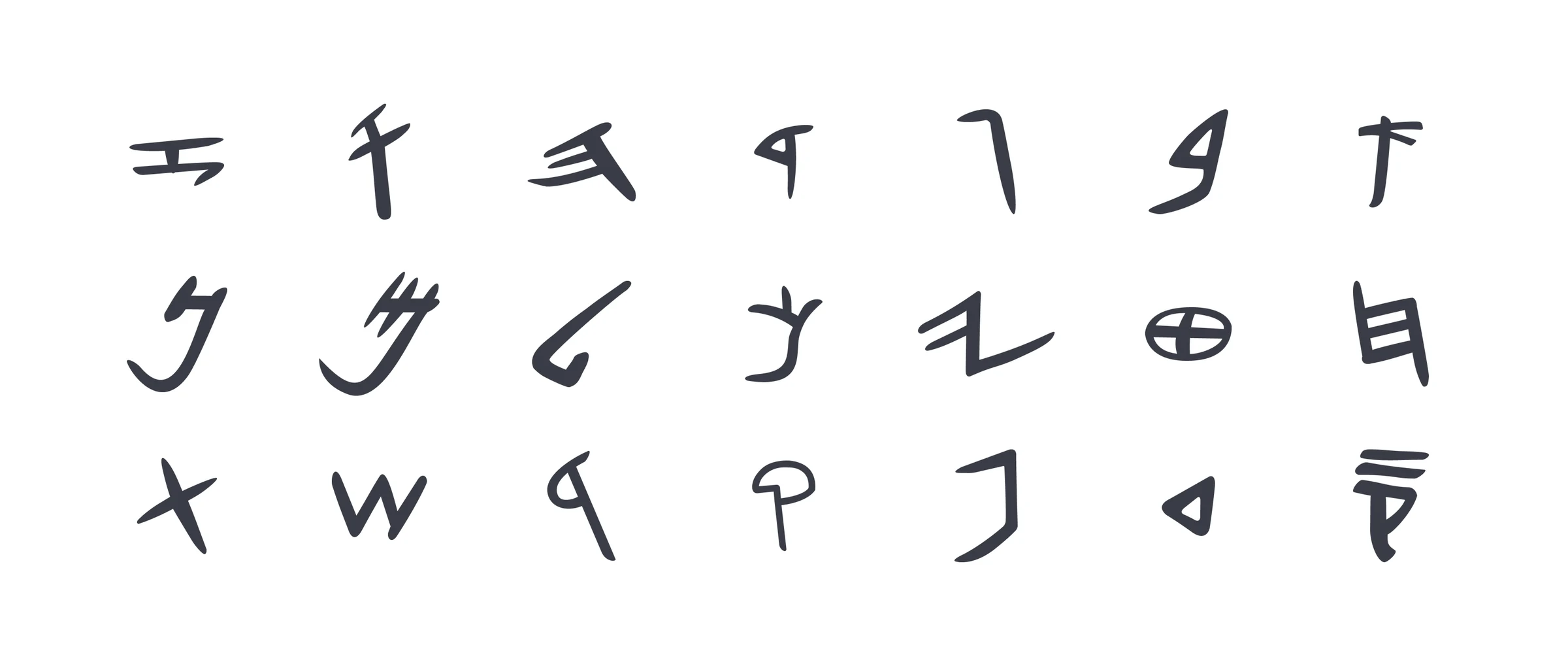
As part of my duties in the project, I photographed the seal impressions and, from them, made scientific illustrations of the ancient Hebrew letters that underpin a new method of paleographic dating, with a card system that describes each letter part by part.
Role
Project researcher; photography, illustration and information design
Client
Paleographic Networks
Via
University of Bern project
Year
2024
The alphabet of the corpus. Letters drawn from the seal impressions, one per letter, from aleph to taw, right to left, as Paleo-Hebrew is read.
Context

A SPARK project of the Swiss National Science Foundation (SNSF), conceived and led by Eythan Levy. It tested a network approach to dating the Paleo-Hebrew script of 8th- to 6th-century BCE seals automatically.

Problem

The paleographic analysis of ancient Hebrew glyptic needed new photographs and illustrations; the computational method needed a new system of scientific description.

What I did

Photographing the archive

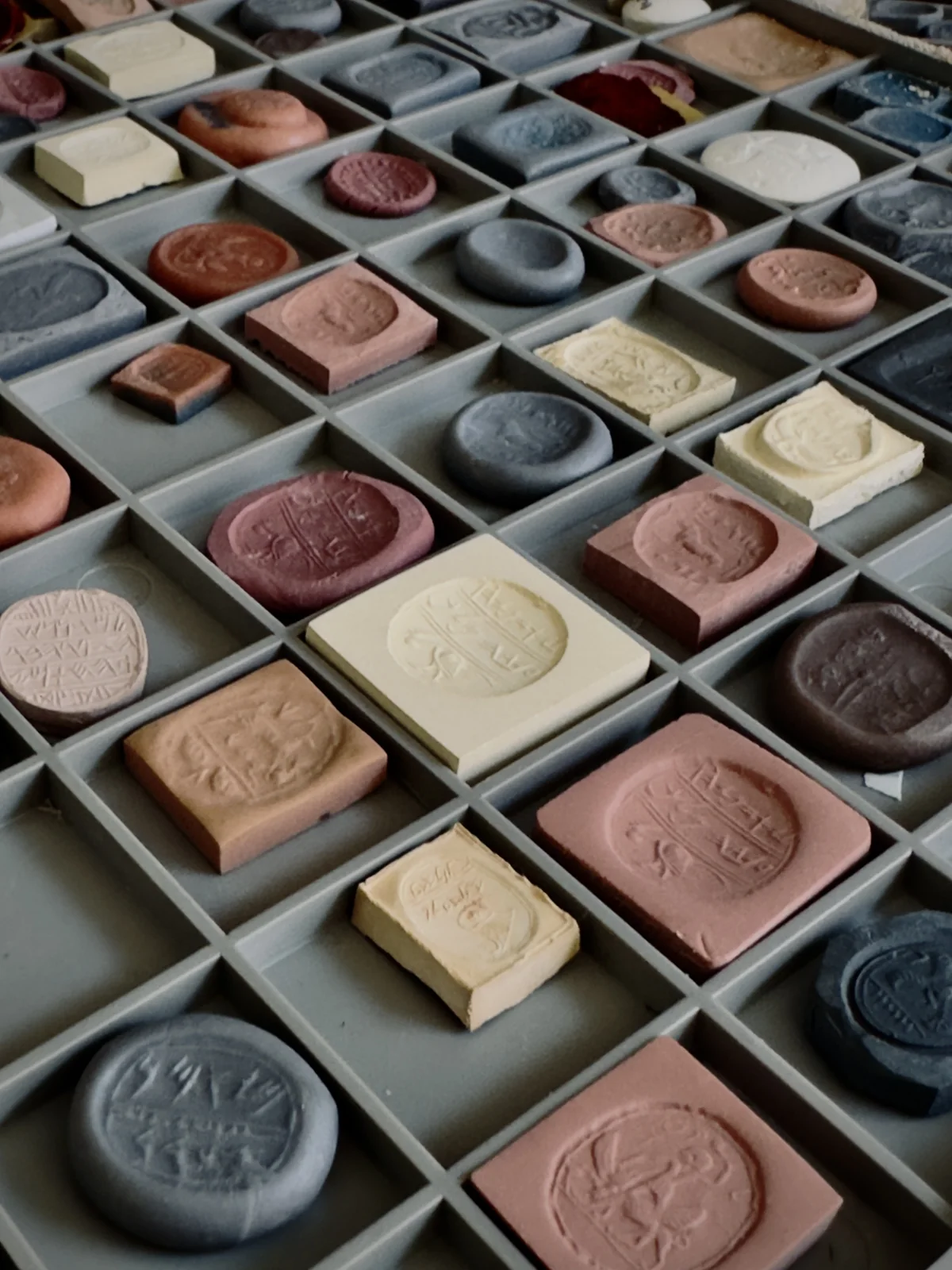
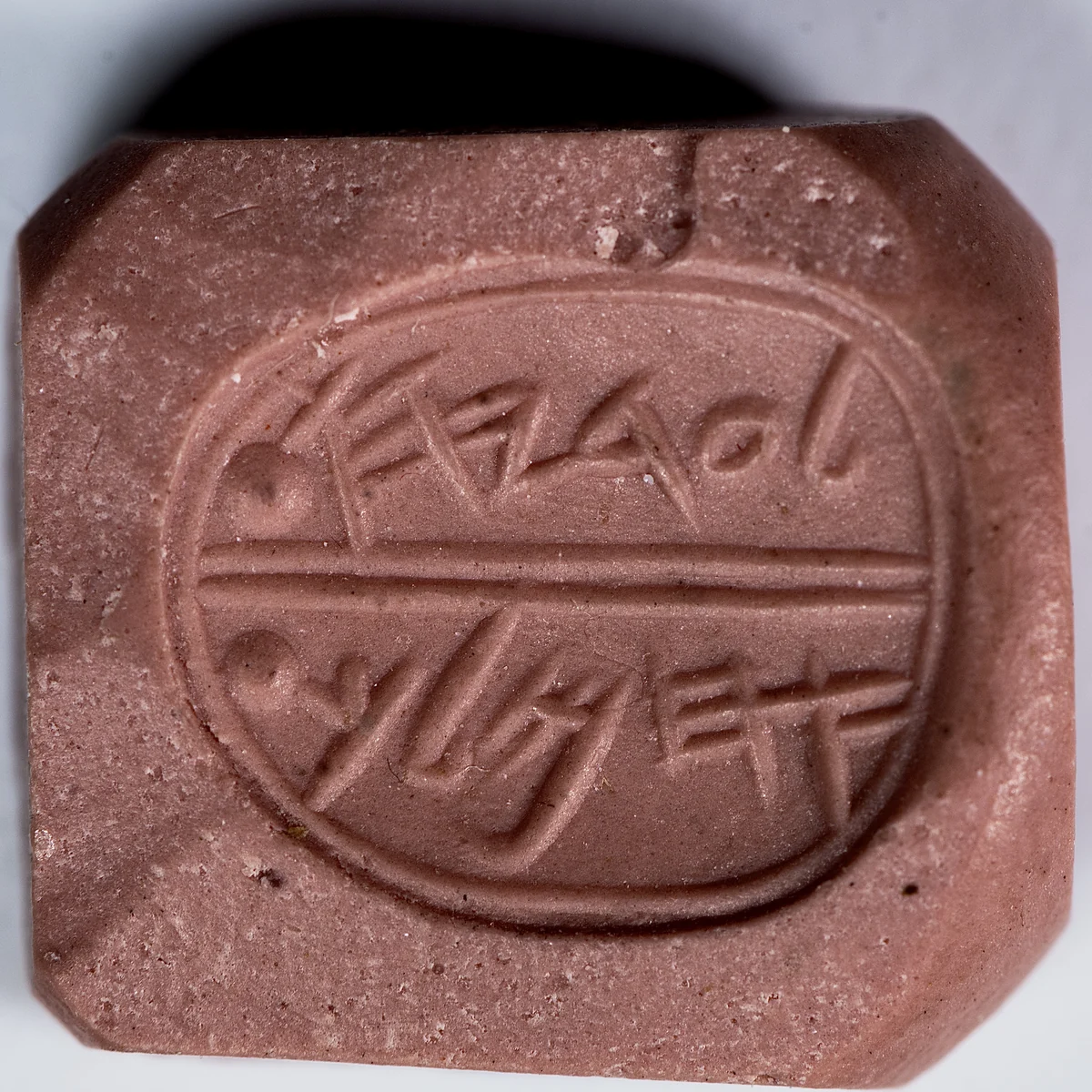
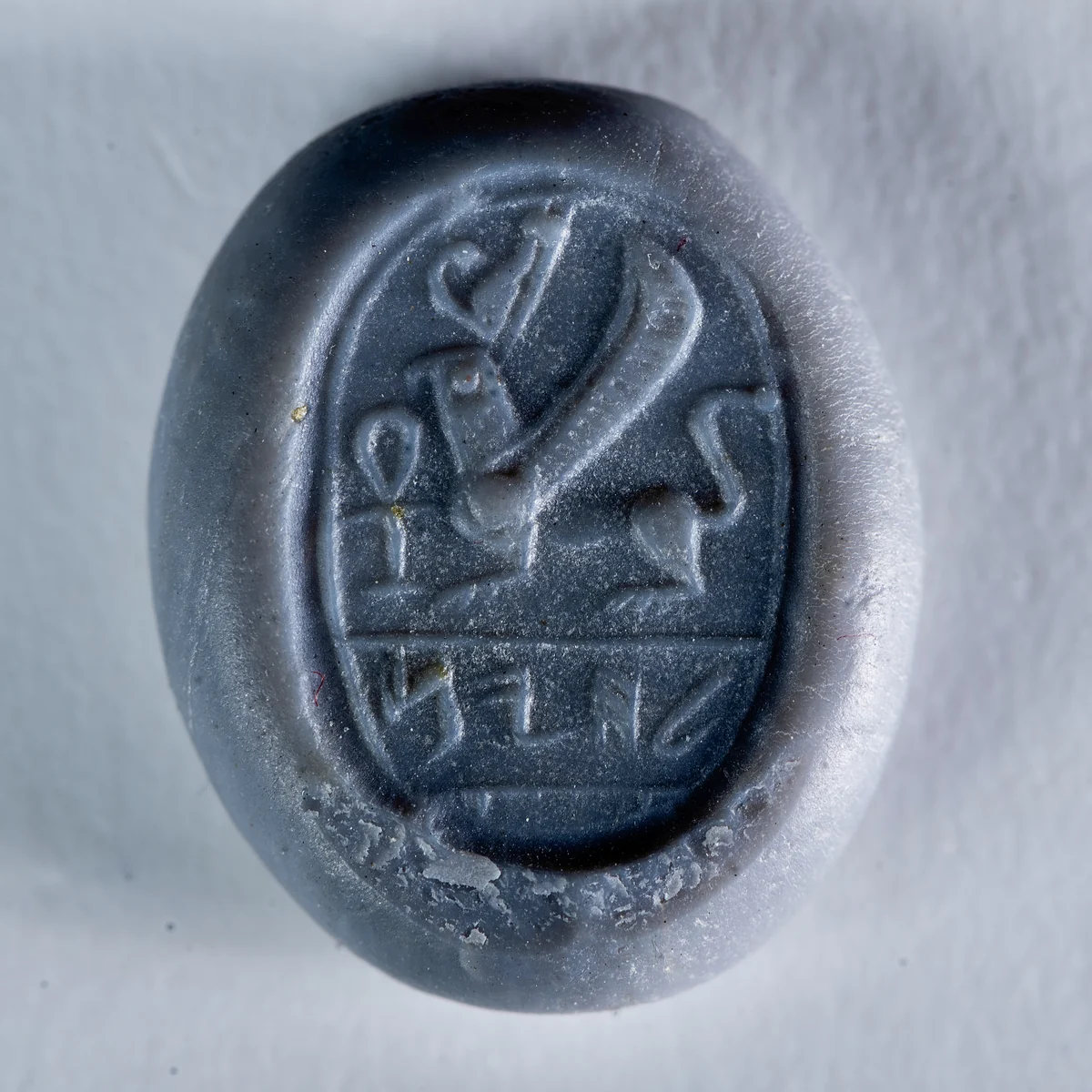
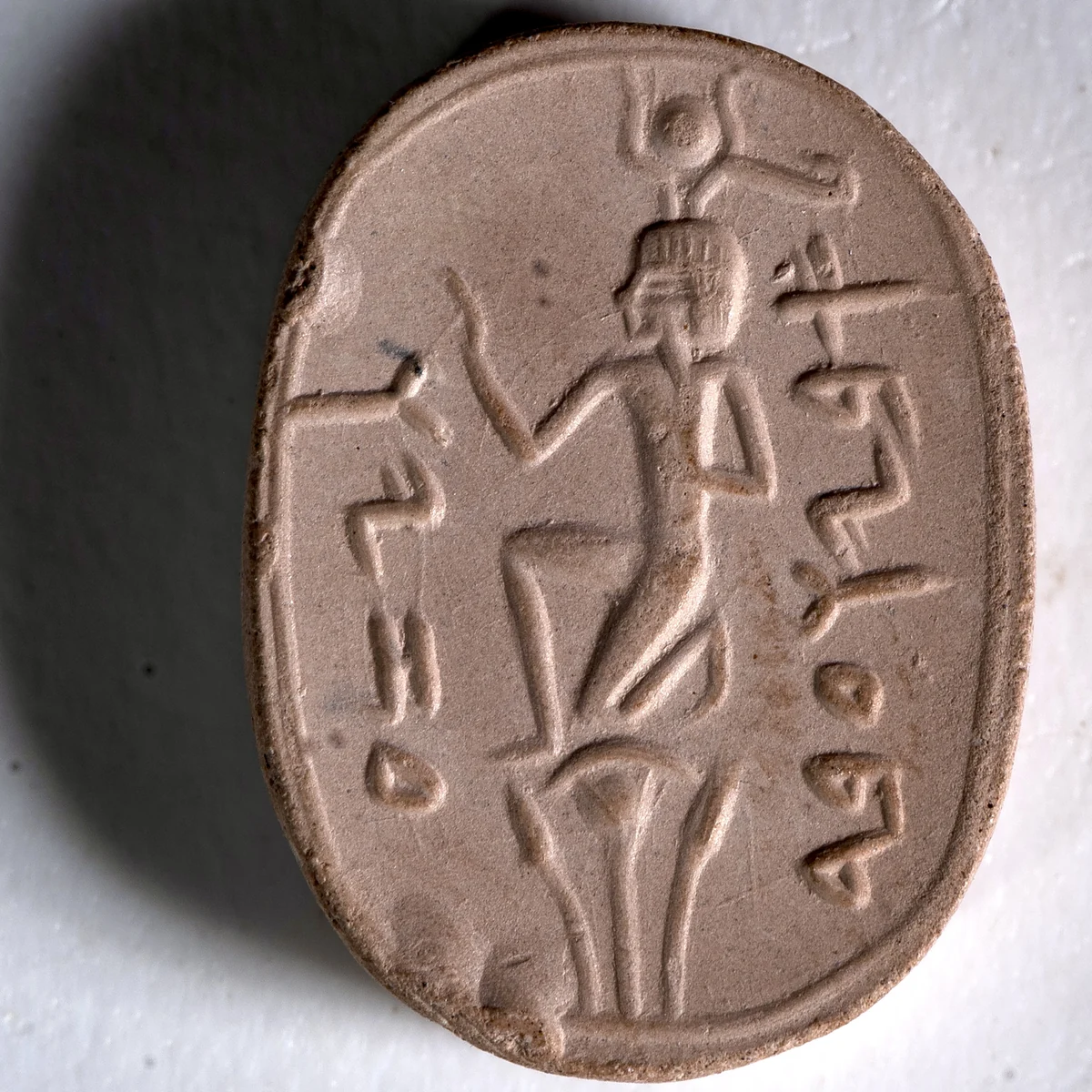
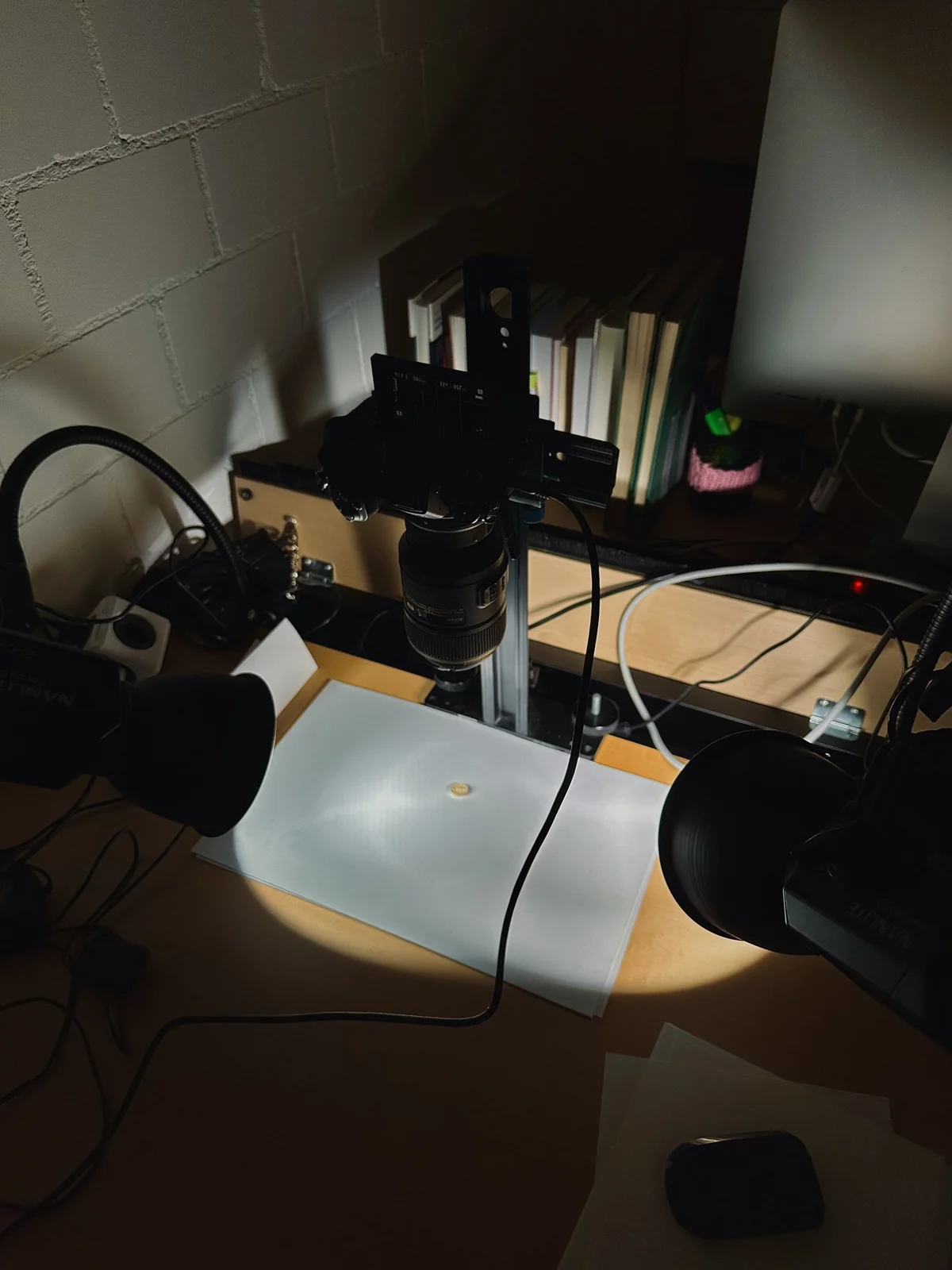
I photographed the provenanced seal impressions of the Avigad/Sass collection, donated by Benjamin Sass and now in Bern, on a set built for the purpose, with side lighting that brings out the relief of the letters. The photos went into the SSSL database and became the material of Paleographic Networks.
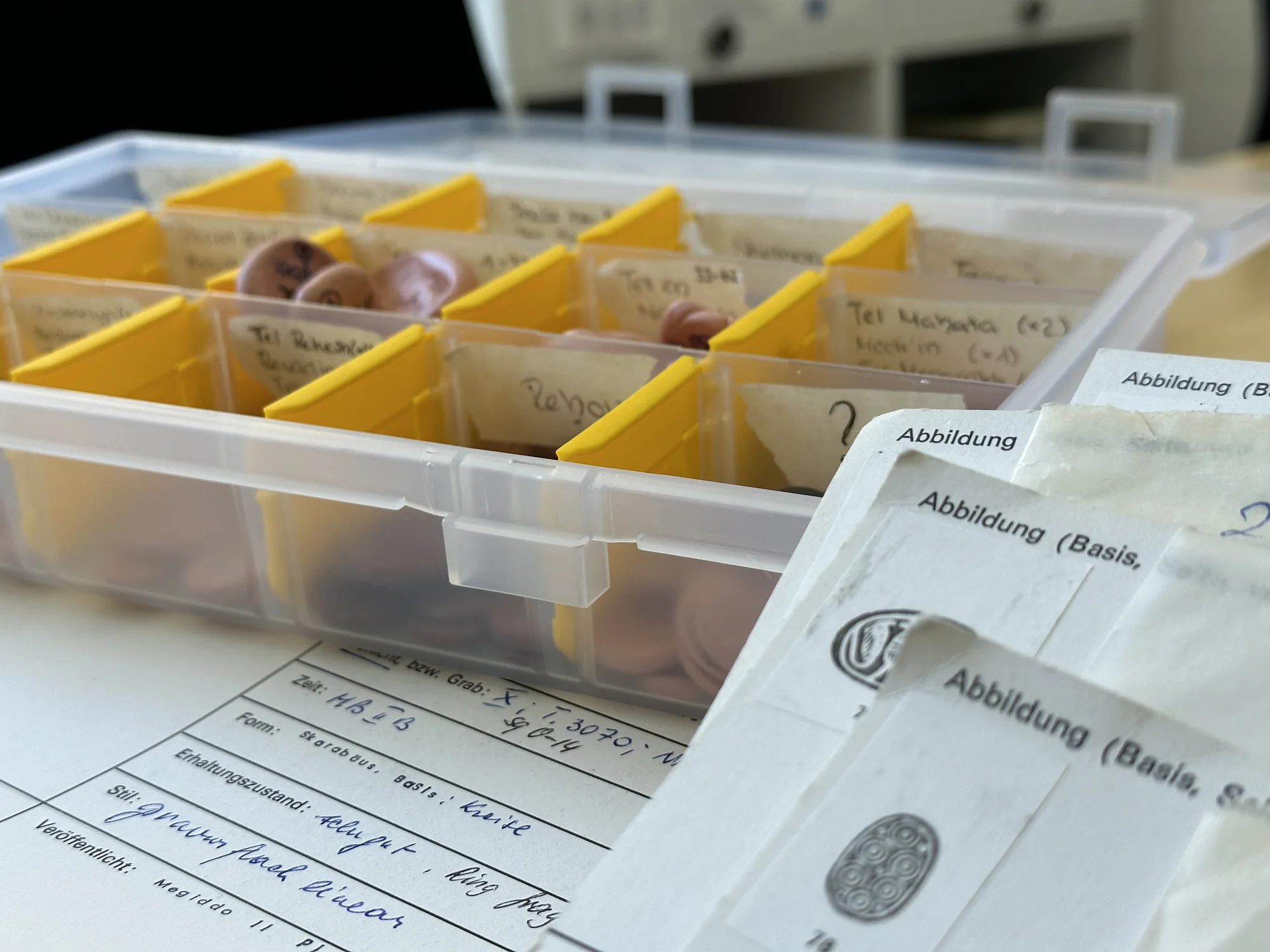
The archive. Modern impressions from the Avigad/Sass collection, kept with their cards.
The photography set. Column-mounted camera and two side lights.
Impressions set aside for photography.
Impression with a two-register inscription.
Impression with inscription and figure.

Drawing to compare

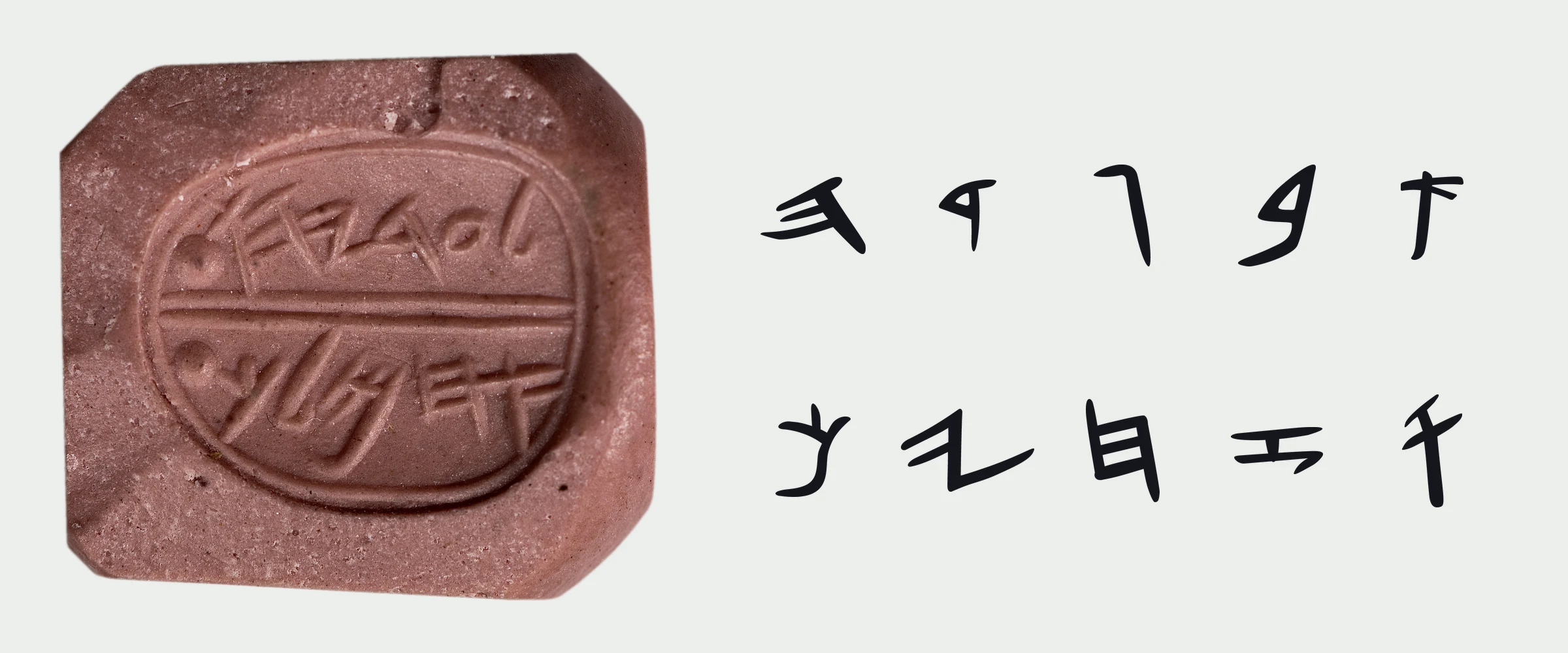
I redrew the main letter types from the photographs in a single, clean line that allows comparison. Without the noise of the stone, two writings of the same letter can be set side by side and compared.
By June 2024, we had reached:
307paleographic features in the typology
319provenanced objects
2.184letter forms analysed
186letter forms drawn for the typology
From seal to letter. The photographed impression and, beside it, letters redrawn for the typology, right to left.

Partitioning ancient letters

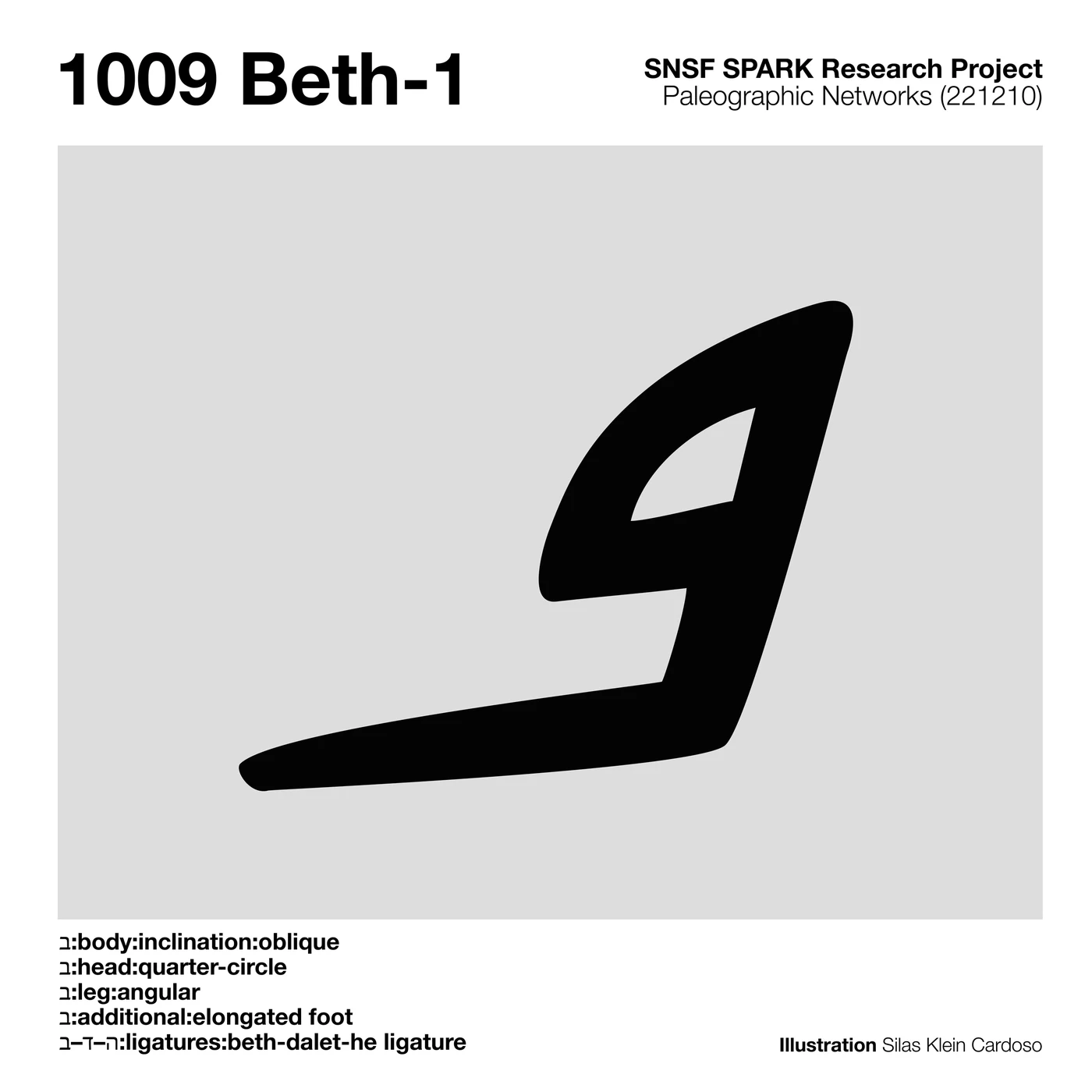
With Eythan Levy, I created the typology and the method for dividing the letters, following the specialist literature. With a fixed vocabulary for the whole corpus, description becomes data.
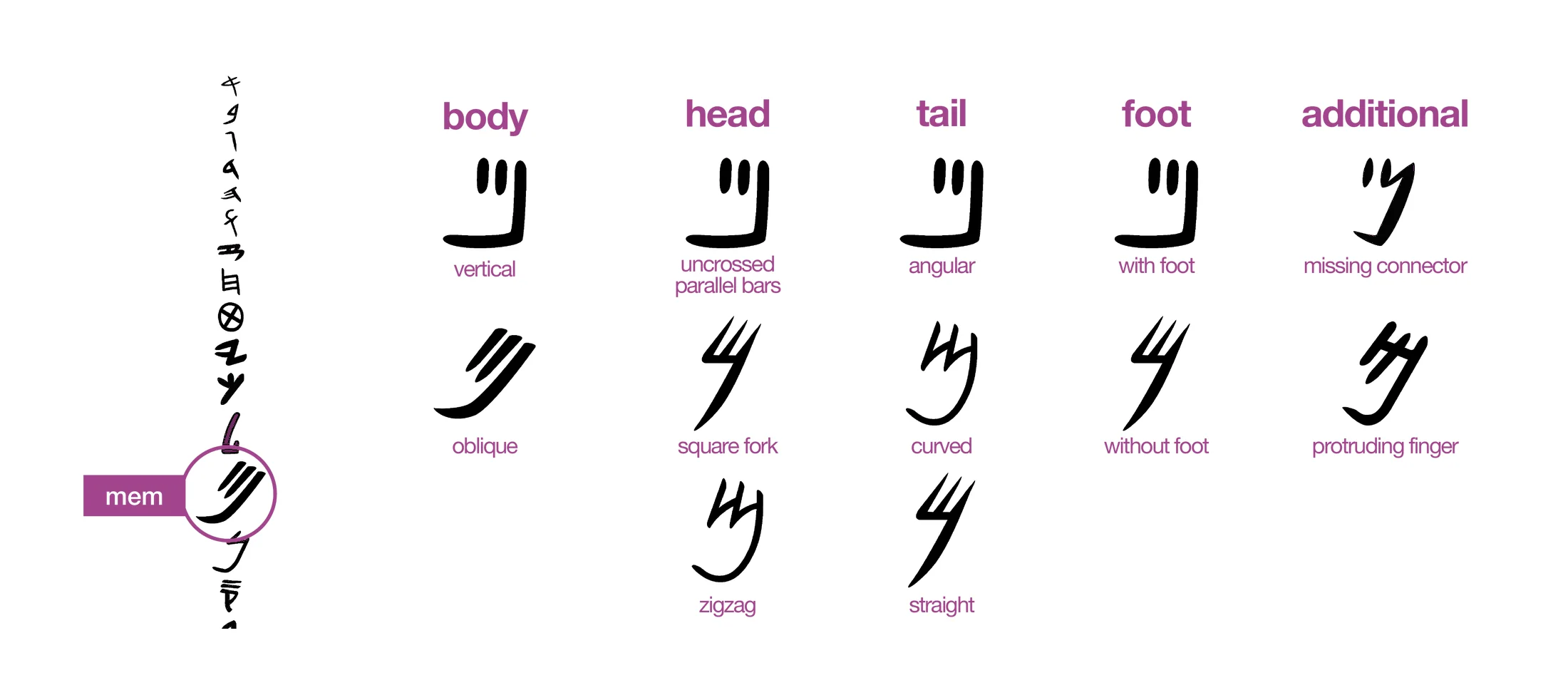
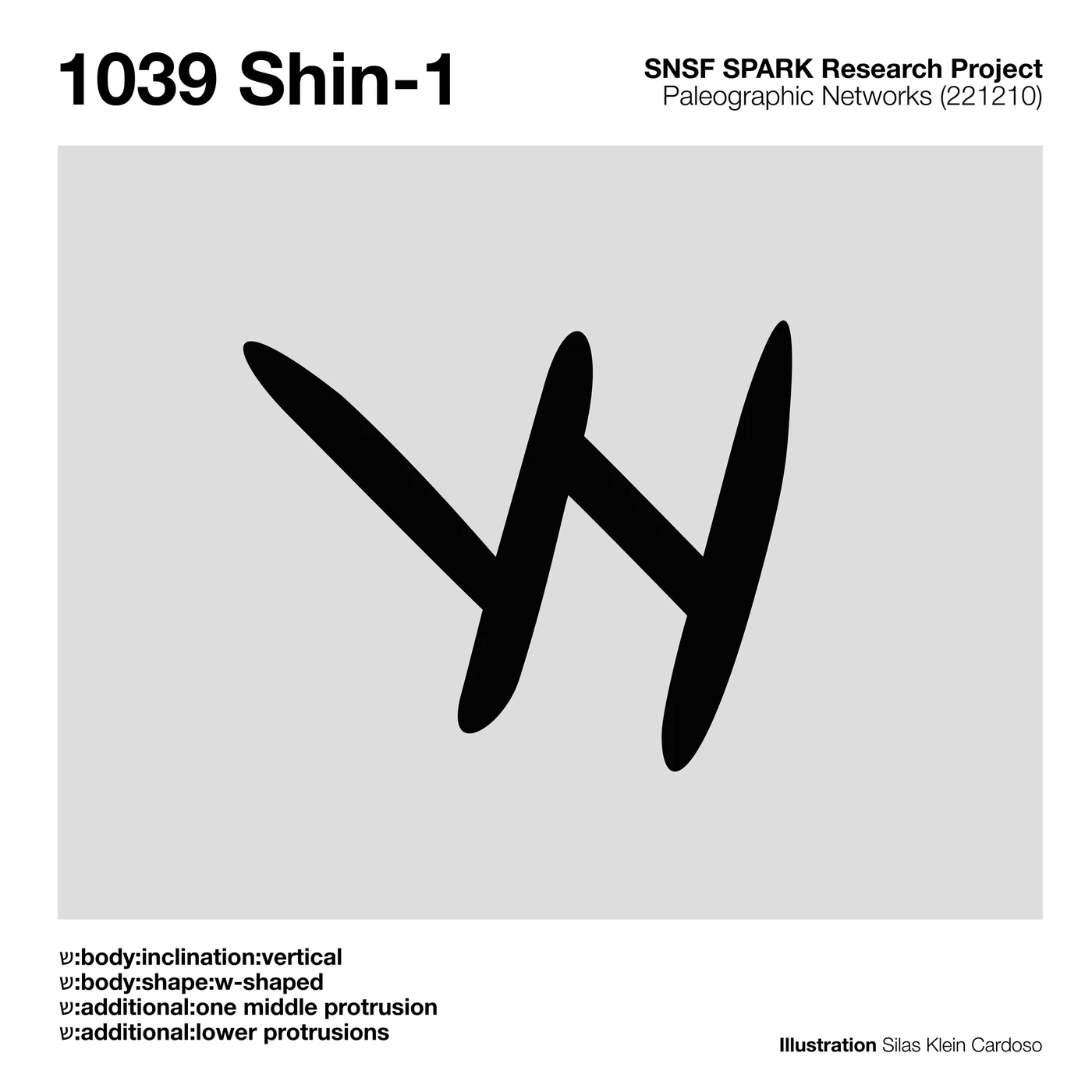
Typology model. Each part of the letter has named variants, drawn at the same scale.
Card 1039 Shin-1. The drawing and, below, each part in the vocabulary of the typology.
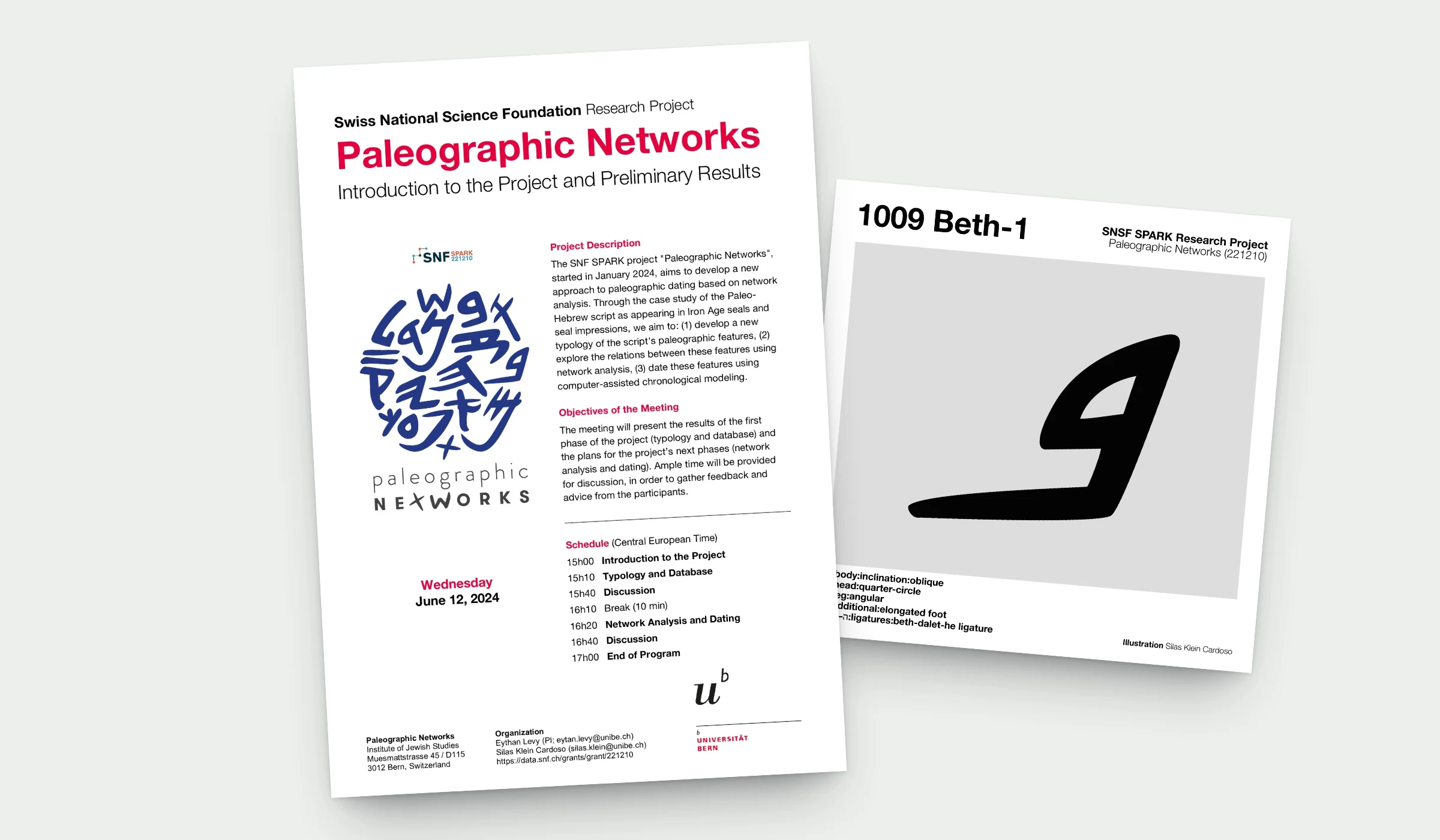
Card 1009 Beth-1. The same structure for every letter form in the corpus.

From card to graph

Eythan Levy’s computational model then carries the description into the database: the elements become data and, starting from anchor points, the chronology can be propagated for dating.
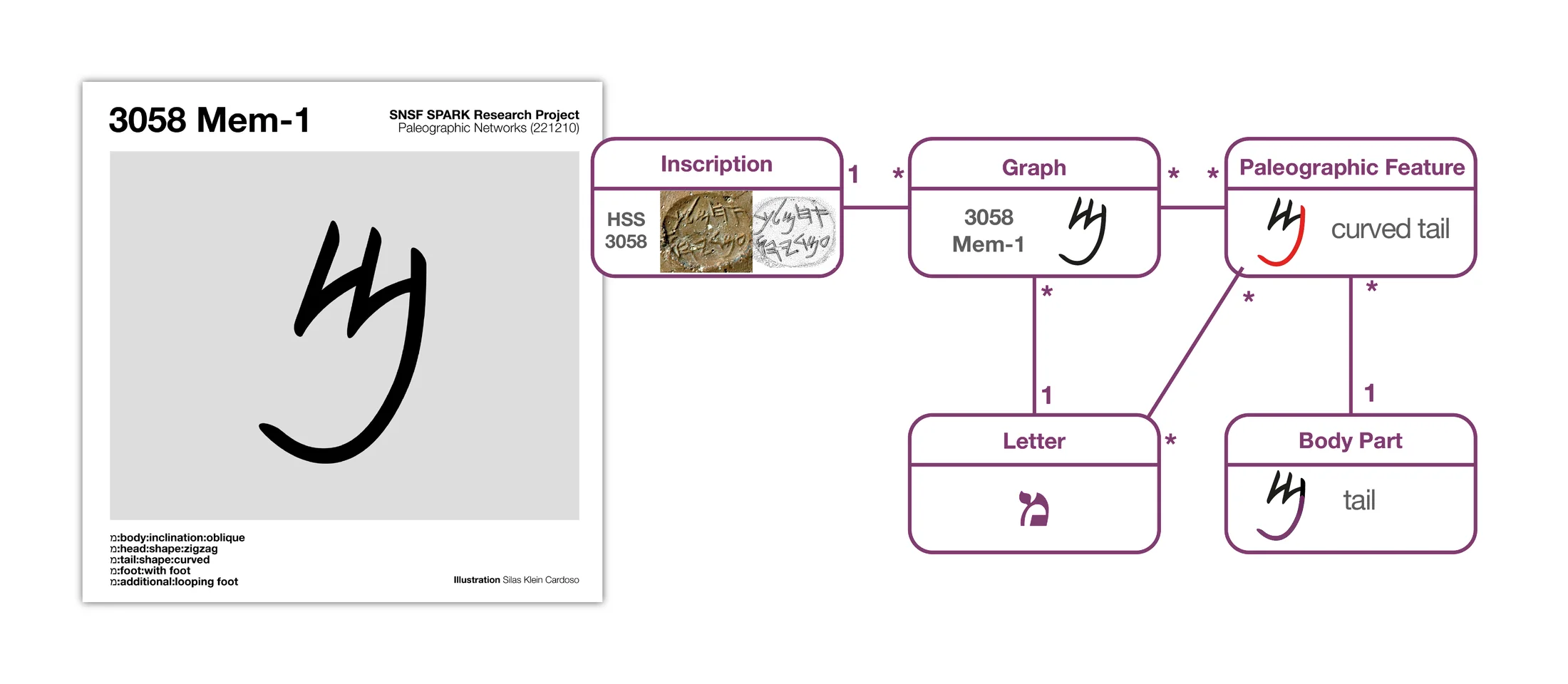
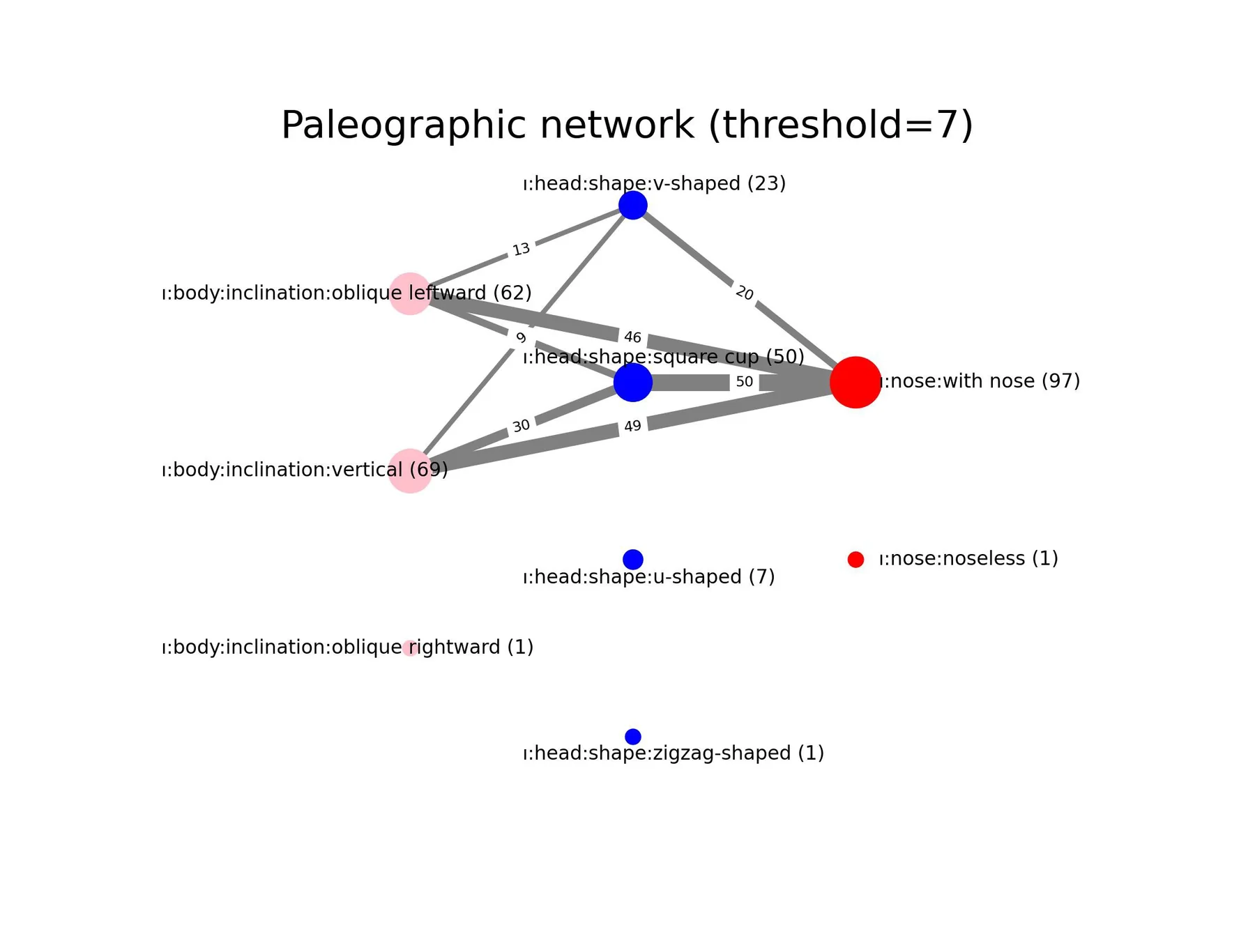
From drawing to data. Inscription, letter form, paleographic feature, letter and part linked in the database model.
Paleographic network. Features that appear together in the forms of one letter.

The letters become the brand

The project logo is composed from the letters of the typology itself: the identity comes out of the research material.
Paleographic Networks logo.

Presenting the project

The project’s presentations use the logo, the blue and the letters of the typology themselves, from section dividers to analysis slides.
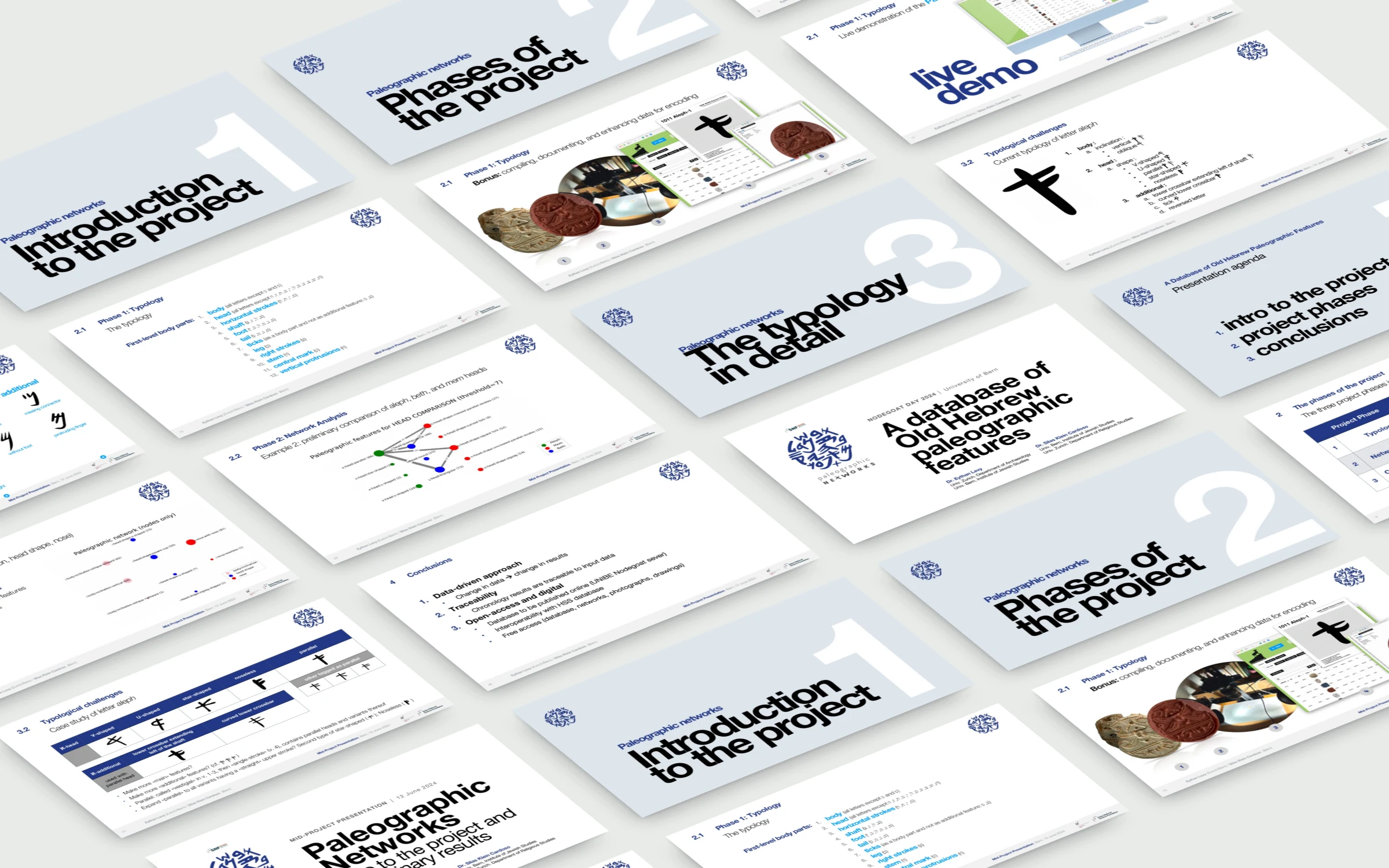
Slides from the project’s presentations.
Flyer for the meeting of 12 June 2024, beside a letter card.

Skills

IllustrationPhotographyInformation designVisual identityPresentation design

The same skills in other cases